
A tabletop gaming club is growing on South Australia’s coast
The Copper Coast Tabletop club, which started with a single meetup of ten people, has over 13 years grown to the point of having its own premises and more than 300 attendees a year. Today it operates in the regional part of the state and remains a notable hub for those who need regular face-to-face contact, not just messaging and chance encounters.
The story coincided with the board game boom, which over the past decade has propelled the global market to an estimated $18.8 billion. However, within the club itself they attribute the growth not only to the hobby’s popularity, but also to the fact that in small towns there is a noticeable shortage of neutral places to socialize, especially for people without established social circles.
How a library meetup became a lasting community
Luke Atkinson moved to Kadina on the Yorke Peninsula and, by his own admission, quickly encountered a typical regional reality. Close-knit circles already existed around him, often formed through years of schooling or family ties, and it can be hard for a newcomer to break into them. Together with Mark Dennett, he decided to draw on an old passion—board games and miniature games—to create a new space for meeting people.
The first meetup was modest, held in a small room at the local library, where ten participants and a single game fit. For the founders, that was enough to see the potential of the format. Gradual growth followed, and over time the club became established in nearby Wallaroo, where it is now located in a separate building and welcomes people throughout the year.
Why board games have become a meeting place again
The popularity of board games is often explained by nostalgia and screen fatigue, but in regional settings another function is more noticeable. A game functions as a predictable social script, where conversation arises naturally and silences don’t feel awkward because they’re filled by turns, rules, and the shared goal of the game.
At the same time, this format has limitations that are rarely talked about openly. A club environment doesn’t guarantee that everyone will feel they belong, and the regularity of meetups requires time, transport, and the emotional readiness to show up. In addition, publicly available data on how the impact on loneliness is measured is often lacking, and in the case of Copper Coast Tabletop the story is based primarily on participants’ and organizers’ observations, not a formal evaluation of outcomes.
Organizers say they would like to see more participants in the club, but board games don’t always resonate with attendees. Many of them are used to other formats, since most people now play video games or online casinos. Digital gaming has become so mainstream that it’s quite hard for other gaming formats to compete with it.
And players are mainly drawn to simple, fast-paced formats. Crash games such as Lucky Jet, Aviatrix, Aviator, Jet X are a product of their time. According to data on https://lucky-jet-game.com.in/ about Jet X, the maximum round length is 10 seconds, and on average it lasts just 3-5 seconds. That’s the complete opposite of tabletop games, which require time and a more thoughtful approach. If a person is used to fast solo gaming sessions, adjusting can be difficult.
Three nights a week in a former weighbridge station
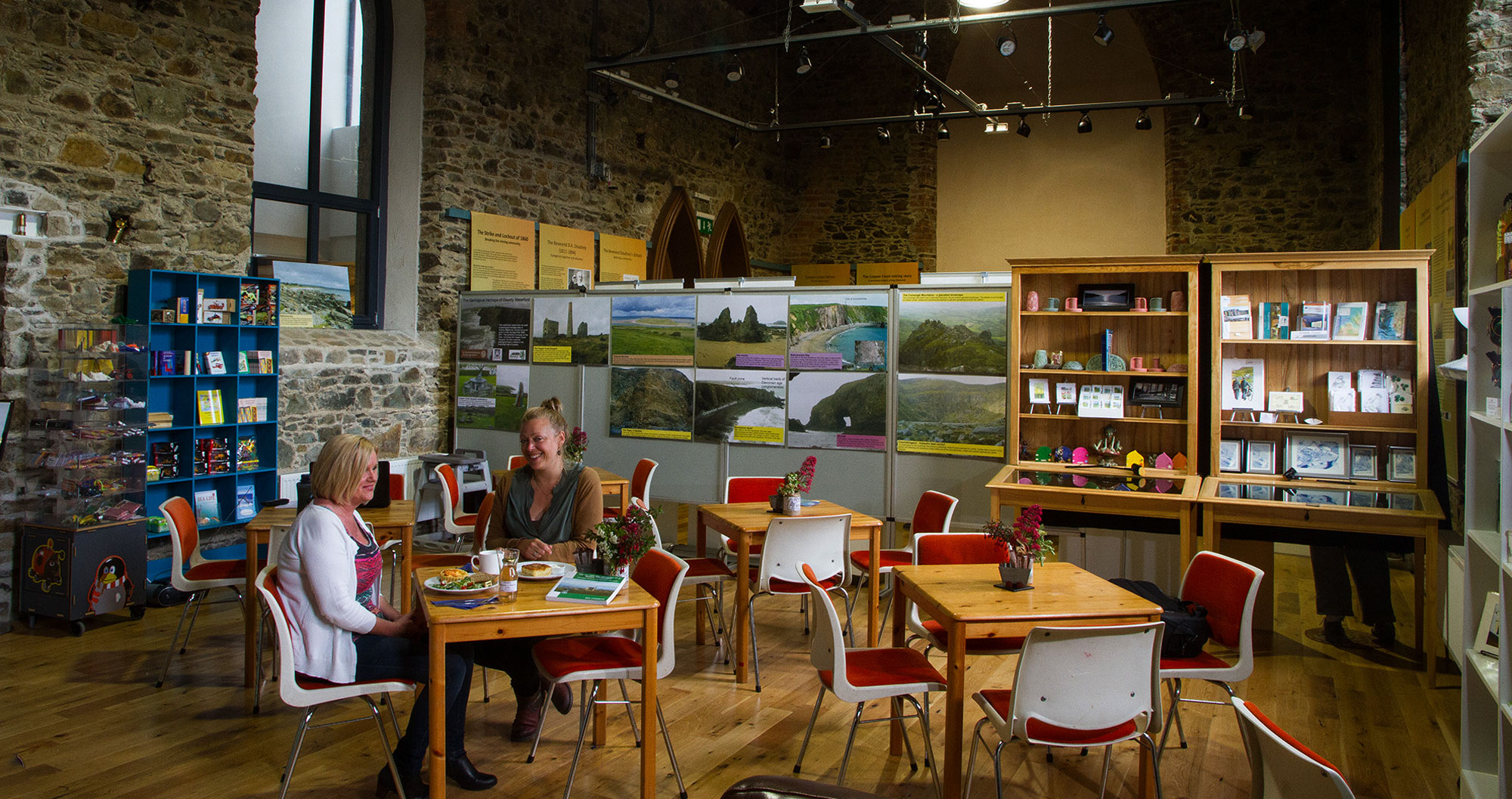
Copper Coast Tabletop now meets three times a week in a former weighbridge station in Wallaroo. The format is designed for a wide range of participants, from those who are coming for the first time to people with a sustained interest in competitive and collectible game systems. Inside, it is more like a hobby club than a one-off entertainment service, because the repeat nature of the meetups and a familiar environment matter.
The game lineup is set up to leave room both for easy entry points and for more complex systems:
- classic family games, including Monopoly and Cluedo
- miniature wargames, including Warhammer, which use models and scenarios
- deck-building card games, including Magic: The Gathering
This selection lowers the barrier to entry, but at the same time leaves space for those who want to improve their skills, build decks, or dive deeper into the rules than in a casual game at home.
Loneliness in regional areas and the language of statistics
Regional communities often look close-knit from the outside, but it is precisely there that mechanisms of exclusion are especially noticeable—of newcomers, people with limited mobility, and those whose interests are not connected with sport or traditional local social circles. Against this backdrop, hobby clubs become not just entertainment, but part of the everyday social infrastructure.
According to the Department of Human Services, 27% of South Australia’s residents experience persistent loneliness, and 20% persistent social isolation. Isolation in this context is defined as infrequent social contact for at least eight weeks. The agency also notes that the state ranks second only to the Northern Territory for social isolation.
The third space as a working idea and the example of Port Lincoln
Senior Lecturer in social policy at Flinders University Ben Lomaier links tackling loneliness with the ability to build meaningful connections, rather than with the number of formal interactions. In his words, the choice of place where a person meets others matters, and situations of shared interest work especially well, because conversation arises not out of politeness, but out of doing something together.
Lomaier uses the concept of a “third space” as a place outside home and work where a sense of belonging is formed. This can be sport, a religious community, or a hobby club, including gaming meetups. A parallel example can be seen on the Eyre Peninsula in Port Lincoln, where Steven Johnson from West Coast Youth and Community Support runs gaming sessions on Thursdays, and the format goes beyond board games. He describes the task as reintegrating people who feel isolated back into the community through regular meetups built around a shared theme.
Back in Wallaroo, Atkinson emphasizes another effect of the tabletop club. The structure of the rules becomes a framework for interaction that helps people with particular social needs interact more confidently and calmly. “What holds us together is the connection between people, not the games themselves,” he said.