
How pandemic board-game nights turned into Desi Board Games
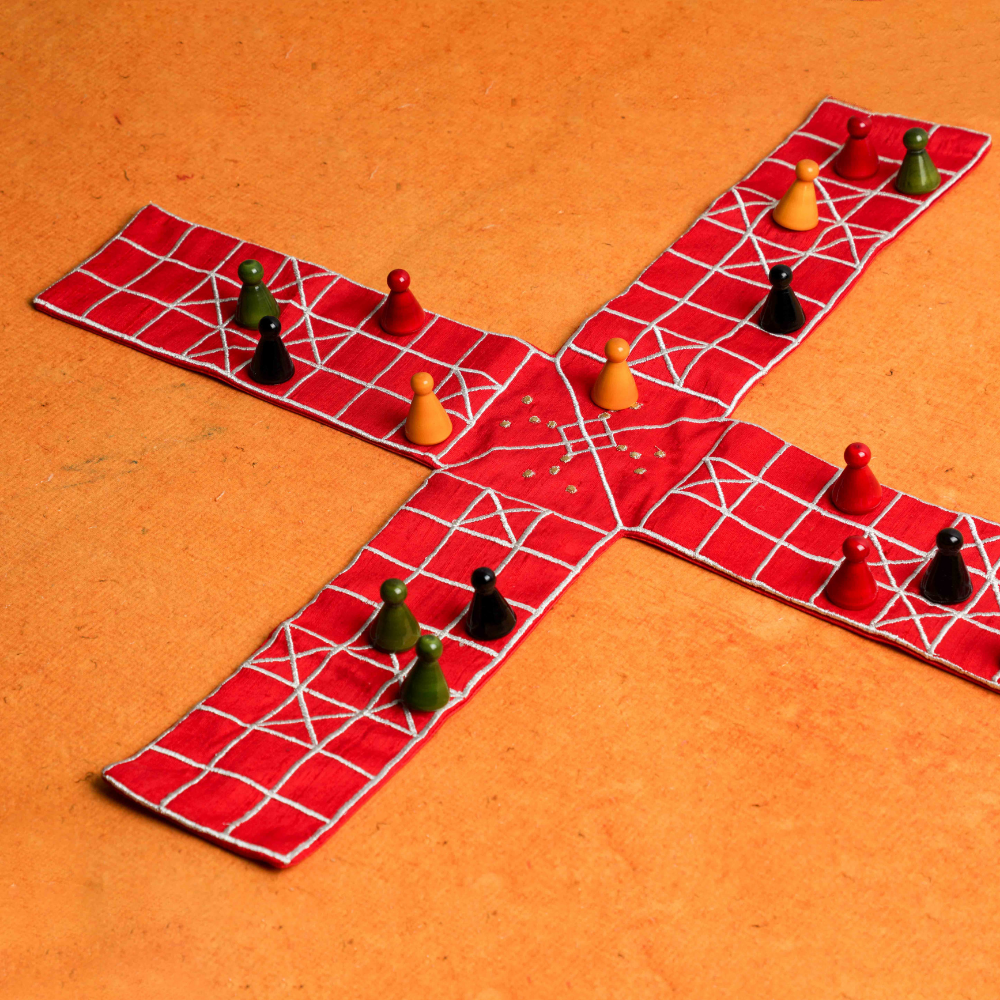
During COVID lockdowns, a couple from the San Francisco Bay Area, Suki and Kartik, regularly got together with friends to play board games. According to them, over that period they tried more than 70 different games. A home setup where you learn the rules on the fly and conversation becomes part of the gameplay gradually became more than just a way to spend an evening.
Against the backdrop of this experience, Suki and Kartik came up with the idea of turning their hobby into a venture driven not only by the thrill of play, but also by cultural memory. That’s how the idea emerged to make Desi-themed games that help people stay connected to their roots, while still being easy to understand for those who aren’t immersed in the Indian context.
Who Suki and Kartik are—and what they’re building
Suki and Kartik live in the Bay Area and started out as game-night enthusiasts rather than people from the traditional board-game industry. Later, they put together a team and launched Desi Board Games (DBG for short). From the start, the project was conceived not as a niche diaspora novelty, but as a bridge between cultural references and mainstream board-gaming habits.
At the same time, this concept has a weak spot that’s common with cultural products. The more a game relies on recognizable details, the higher the risk that some players will feel left out. DBG addresses this the way many successful local brands do: they keep the theme and atmosphere, but make the rules easy to pick up and don’t require any special knowledge.
How Desi Board Games grew
DBG’s growth follows a fairly clear timeline, from spontaneous game nights to a product line and international distribution. The sequence looks like this:
- pandemic get-togethers and 70+ games played
- decision to create their own games and launch DBG
- first releases and a growing portfolio
- expansion into the US, UK, and Australian markets
- a Kickstarter campaign for Cricket Champions that raised more than three times its stated goal
- plans to expand and prepare new projects
On the one hand, this trajectory resembles the story of many pandemic startups born out of at-home leisure. On the other hand, in the board-game business it’s not only ideas that matter, but also manufacturing, logistics, and demand forecasting, so fast growth doesn’t always mean it’s sustainable. There is still little public data on DBG’s print runs, margins, and sales volumes, so the scale can mostly be assessed through indirect indicators such as Kickstarter performance and geographic expansion.
Three games available now, and two in development
DBG currently has three games that you can already buy. Each serves a different purpose for a game night and doesn’t repeat another in genre:
- Desi Feud, a family-friendly trivia and party question game
- Raja Mantri Chor Sipahi, a bluffing, role-guessing game with a Mafia-like feel
- Cricket Champions, a dice game about cricket strategy
In parallel, DBG is expanding its portfolio and has two more releases in development. In this block, the team leans on recognizable cultural cues and a wider range of genres:
- •Andaaz Apna Apna (Style Of Our Own), a project in development
- •Bollywood Rummy, a project in development
The project’s geography is also laid out clearly. The games are manufactured in India and sold in the US, the UK, and Australia. Separately, the team highlights retail partnerships with grocery stores in the San Francisco Bay Area, which is important for a board-game brand as a signal of offline presence, not just online sales.
How Desi Feud and Raja Mantri Chor Sipahi work
DBG describes Desi Feud as a casual trivia game, with the pace driven by short questions and group reactions. The content was gathered not by gut feel, but through a survey of a Desi audience aged 18–60; the answers were then ranked by popularity, and a set of questions was built on that basis. Suki explains the motivation for the format in one phrase that reads well as a guiding principle, “We made Desi Feud because we wanted a trivia-style game where everyone can relax.”
Raja Mantri Chor Sipahi relies on a different kind of engagement: social deduction and bluffing. In logic, it’s close to the party game Mafia, where observation, tone of voice, and persuasion matter. The title and characters reference a popular children’s storyline, and this recognizability effect becomes that nostalgic hook that holds attention even for those who rarely play board games.
Inclusivity, business economics, and plans to expand internationally
DBG separately emphasizes a gender-neutral approach so more women feel included in game nights. Suki gives a simple example that illustrates the power of the format well: guests expected to play for an hour or two, but ended up playing for five hours. She also notes the barrier to entry: many people feel hesitant to start, but after the first round, engagement grows, and there’s a noticeable correlation between a love of video games and an interest in board games.
Against this backdrop, the reverse can also happen—a love of board games can bring a person into the world of video games. A strong example is the Indian board game Andar Bahar. At home it’s popular thanks to its simplicity and fast pace; however, as a board game it was long known mainly to enthusiasts. It reached mainstream awareness after a digital version was created for online casinos. According to data about the best online casinos with Andar Bahar from https://andarbahar.com.in, today this game is available on dozens of popular platforms. As a result, to play, you don’t have to wait for a board-game club meetup or hunt for like-minded people. This gives a person the opportunity to choose between the two worlds—or play in both at once.
From a business perspective, board games fall into the inventory-heavy category, meaning products with high manufacturing costs and significant unsold inventory. The team pays upfront, plans print runs in advance, and relies mainly on social media and paid advertising for marketing. A separate emphasis is placed on component quality and careful attention to detail, and sales channels span online and offline outlets, including grocery stores.
Their plans suggest an intention to scale—without making bold promises. Suki and Kartik say they would like to expand into several more countries, and they plan to double their game lineup by year-end. After expanding the line, the team plans to decide whether to double down on individual hits or shift focus to sales and distribution, based on what people are genuinely willing to play.